
Impressed Current Cathodic Protection Anodes (ICCP)
BSS Technologies manufactures and supplies high-performance ICCP anodes engineered to provide reliable, long-term corrosion protection for pipelines, storage tanks, deep wells, and marine structures.
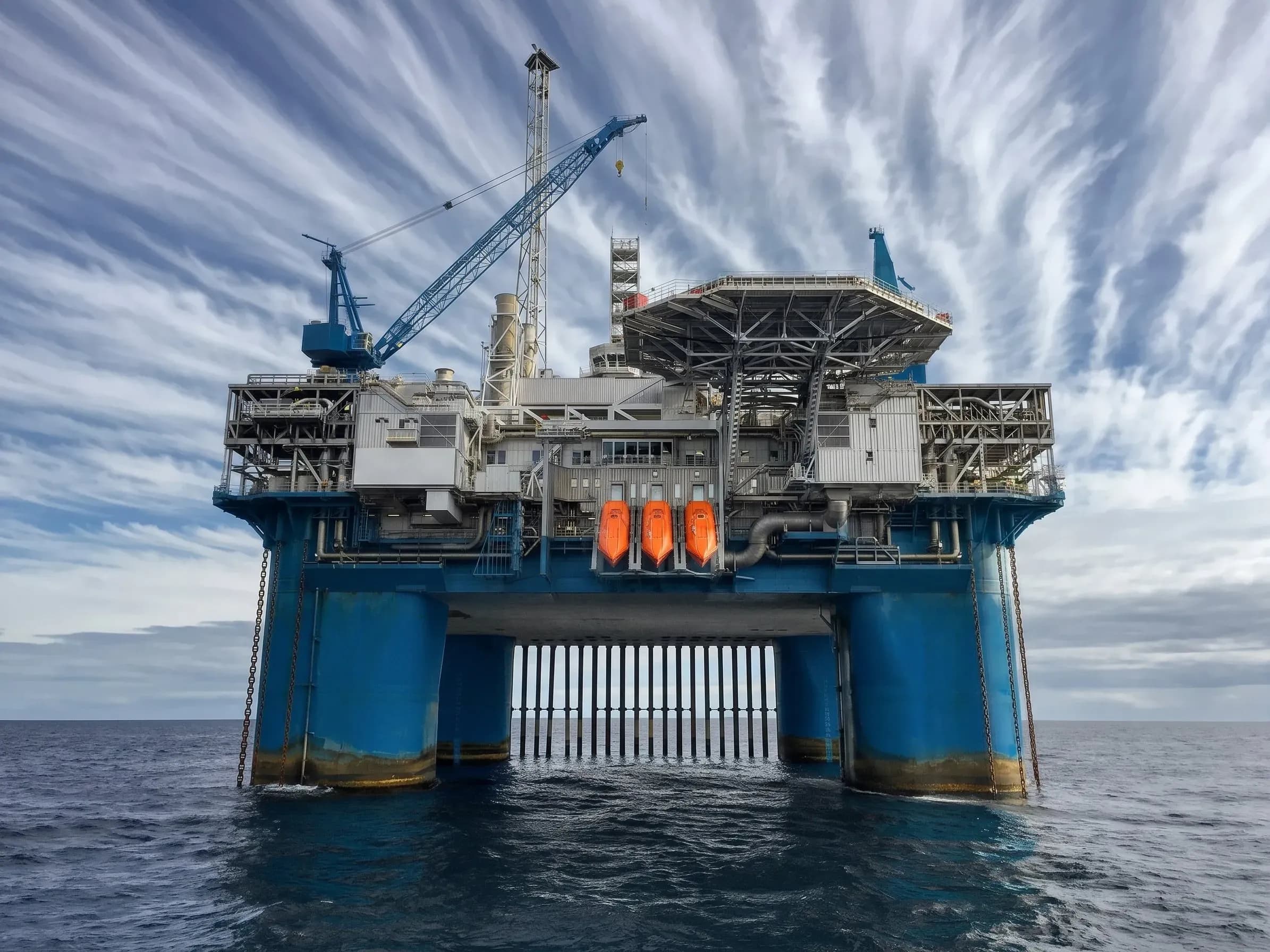
Proven ICCP Protection for Critical Assets
High-capacity infrastructure, deep ground beds, and marine assets demand durable impressed current cathodic protection. BSS Technologies manufactures advanced impressed current anodes engineered for extended operating lives up to 30 years. Our dimensionally stable anodes provide precise current discharge across soil, water, and concrete.
What Are ICCP Anodes And Why Are They Used in Cathodic Protection?
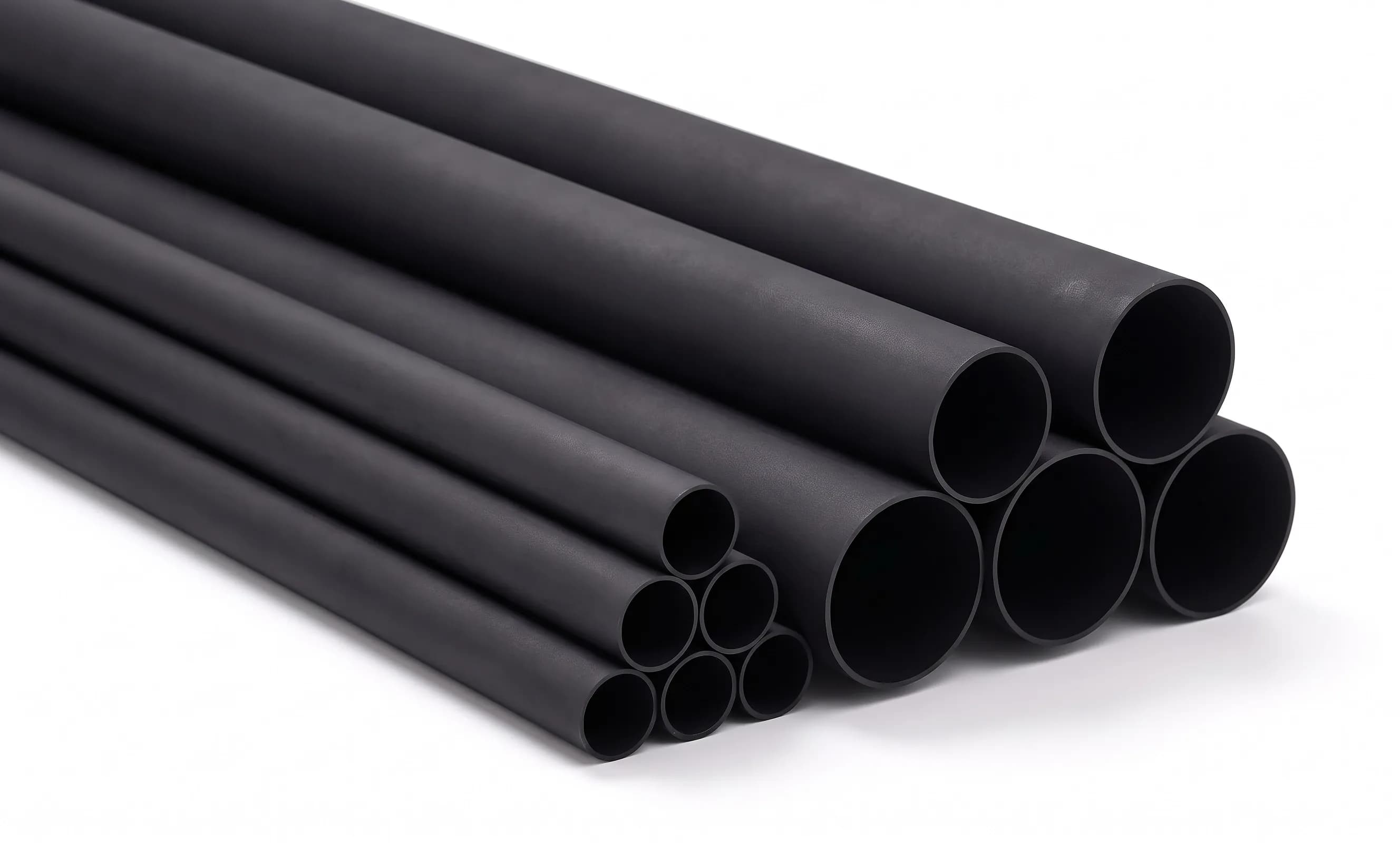
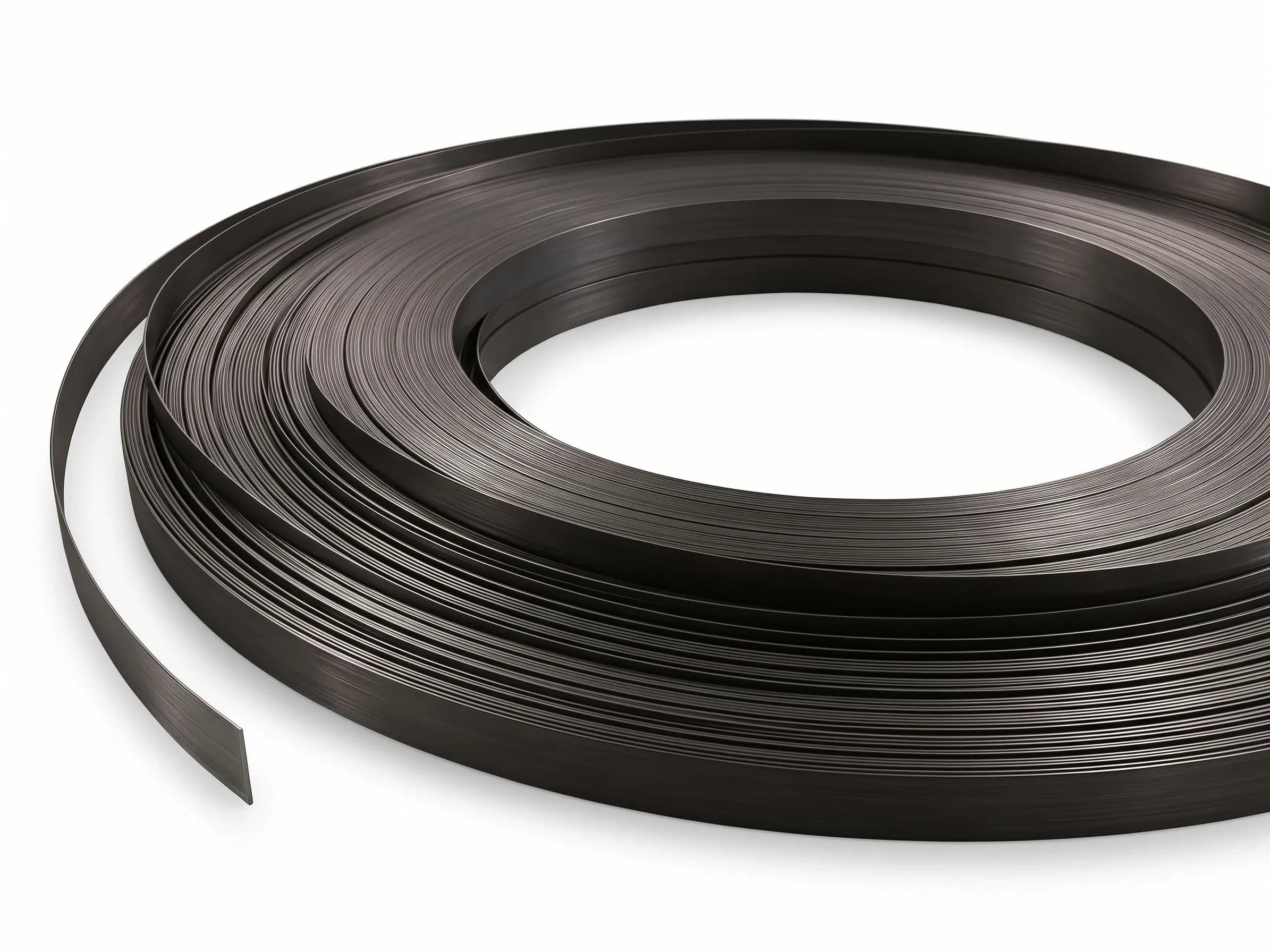
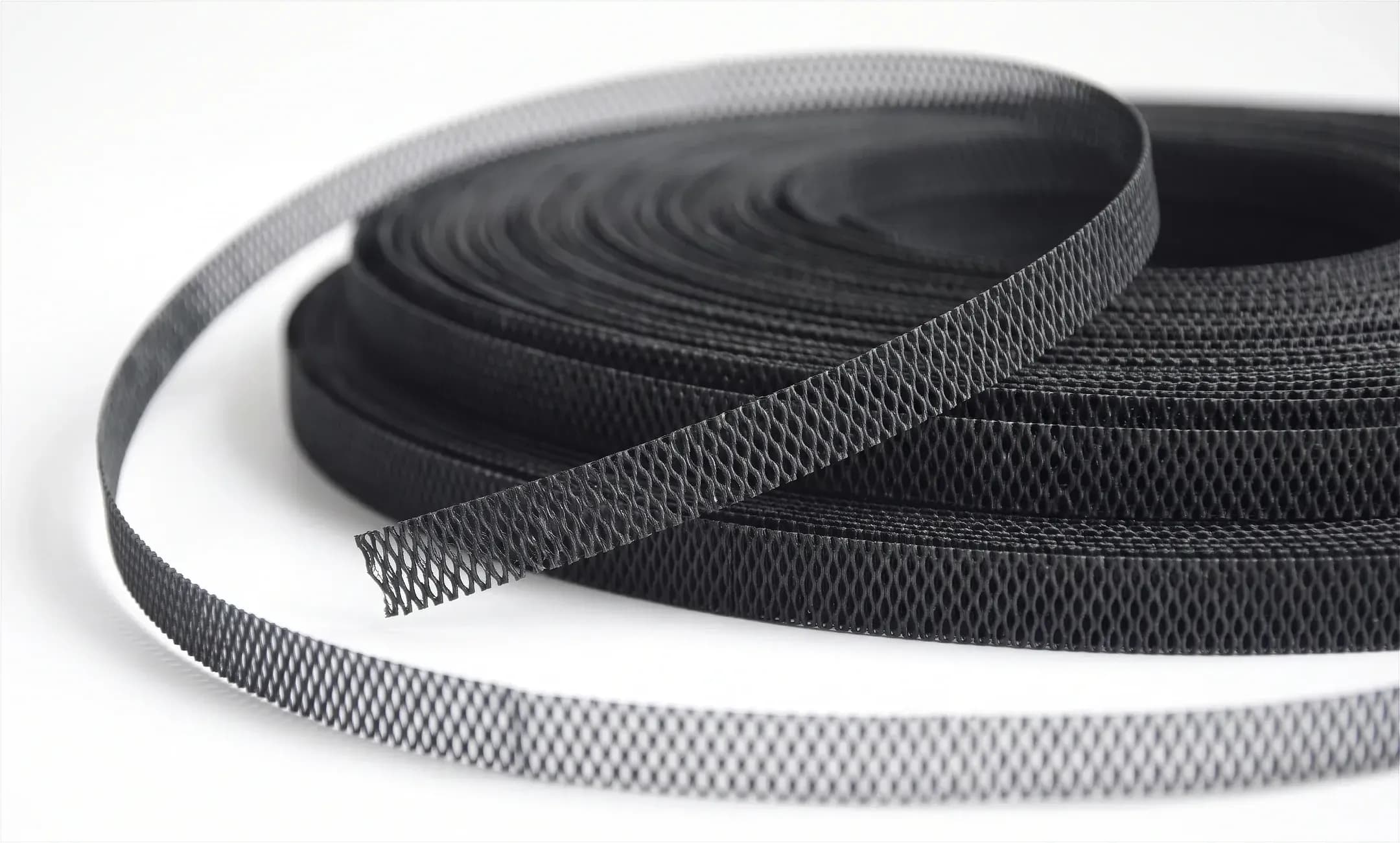
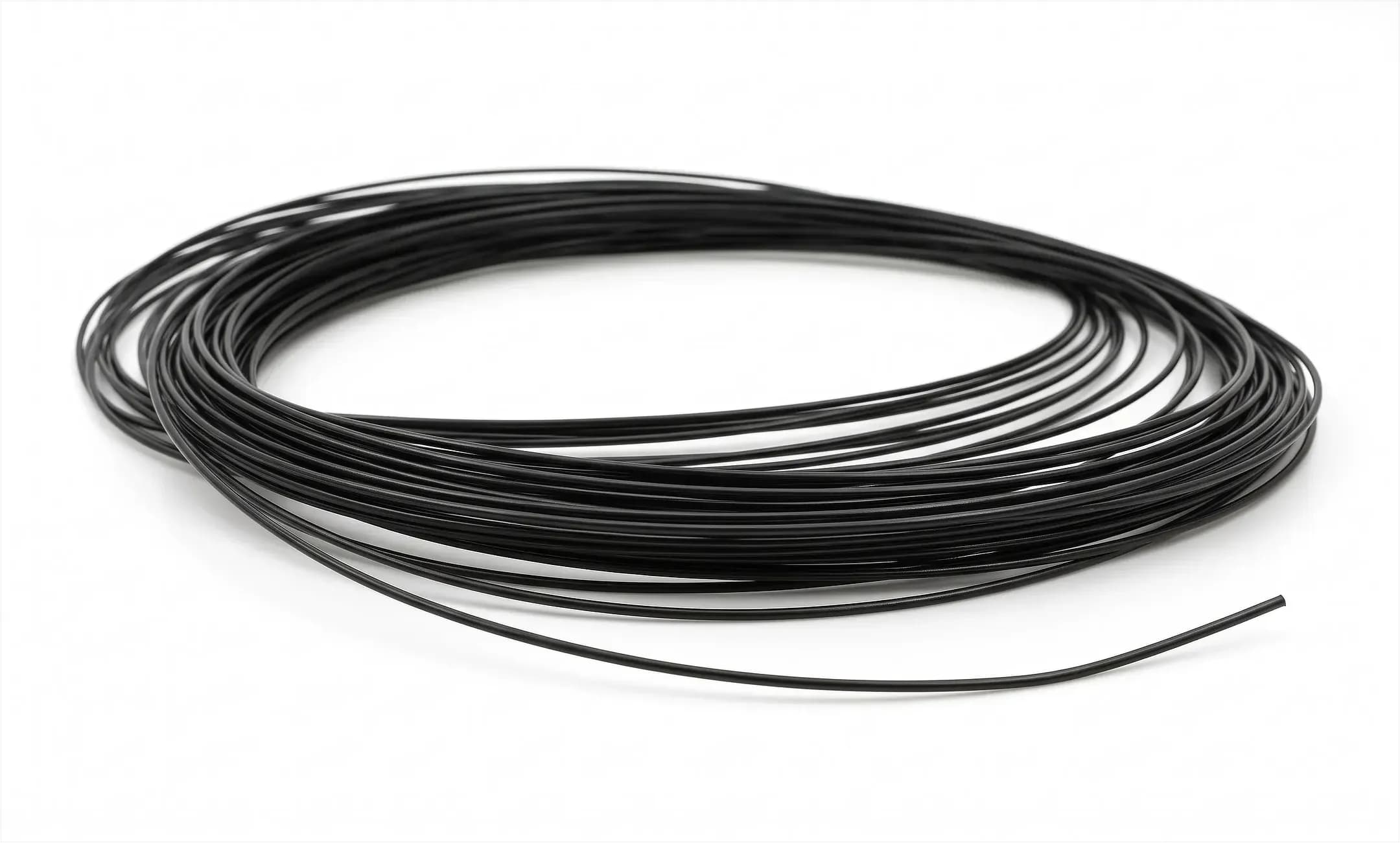
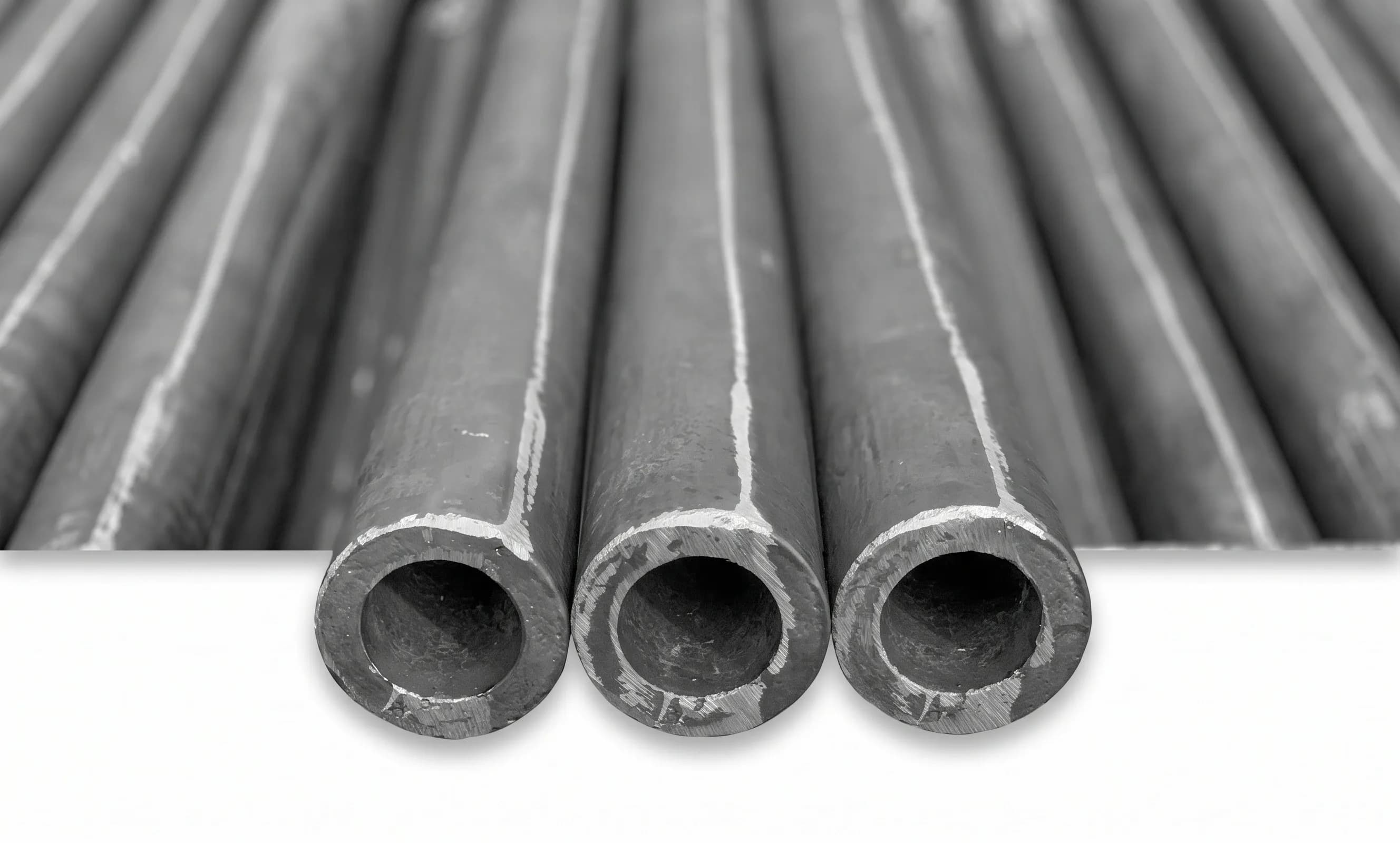
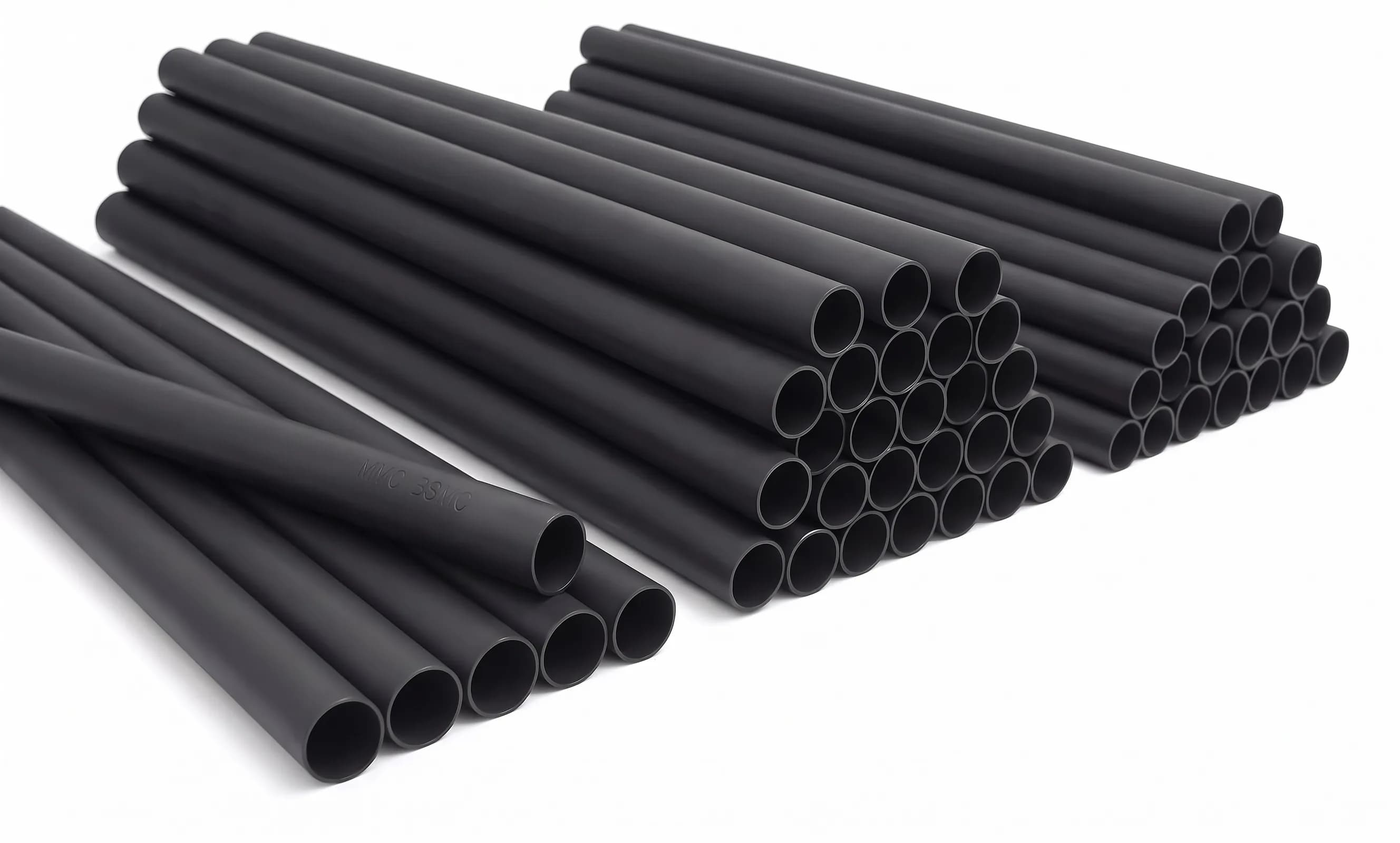
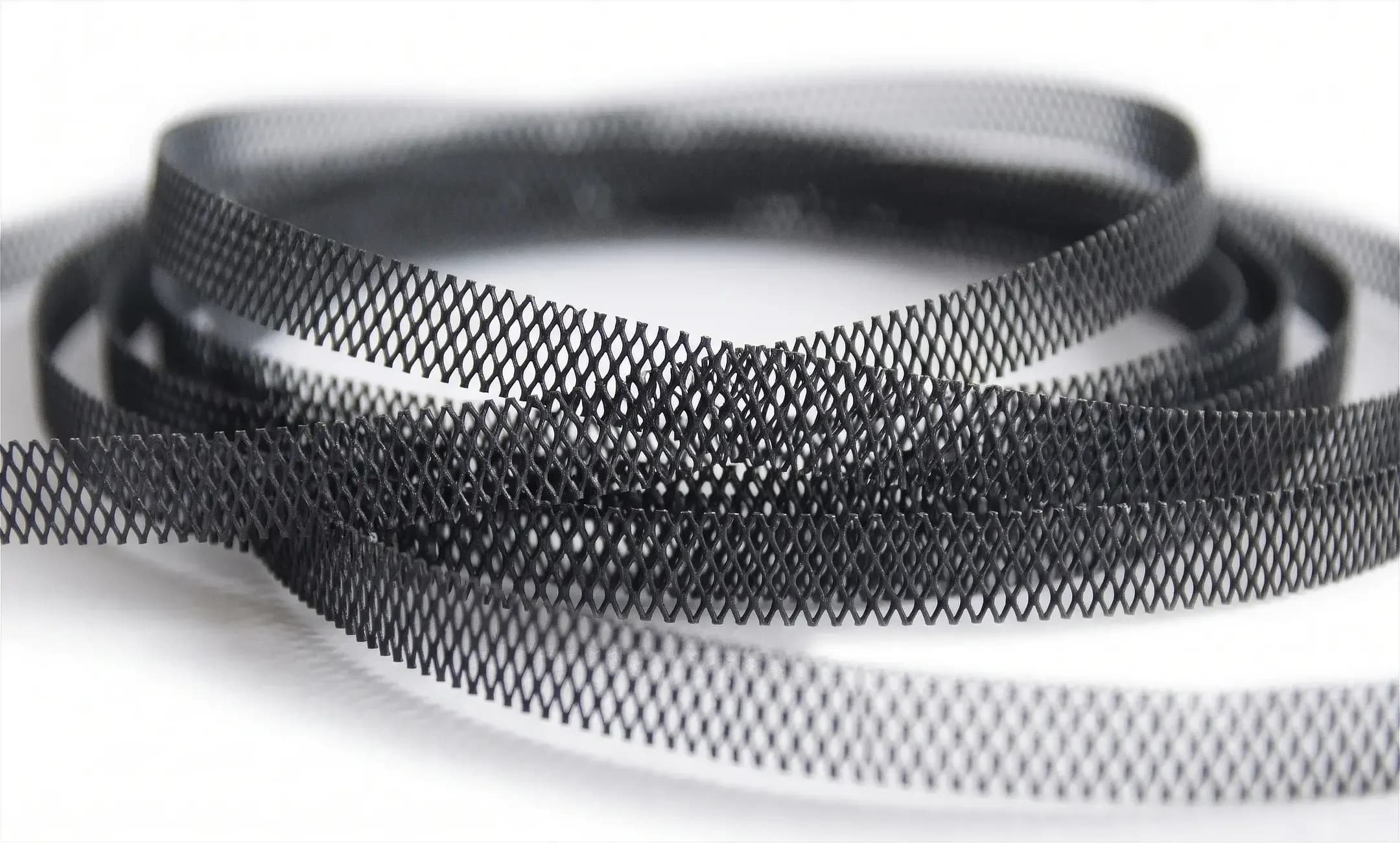
Impressed Current Cathodic Protection (ICCP) anodes are designed to deliver a controlled DC current to protect large metallic structures from corrosion. Unlike sacrificial anodes, ICCP anodes operate with an external DC power source, normally a Transformer Rectifier. Common anode materials include Mixed Metal Oxide (MMO) coated titanium, platinized titanium, high-silicon cast iron and other specialised materials selected according to the application and electrolyte.
Where ICCP Anodes Are Used
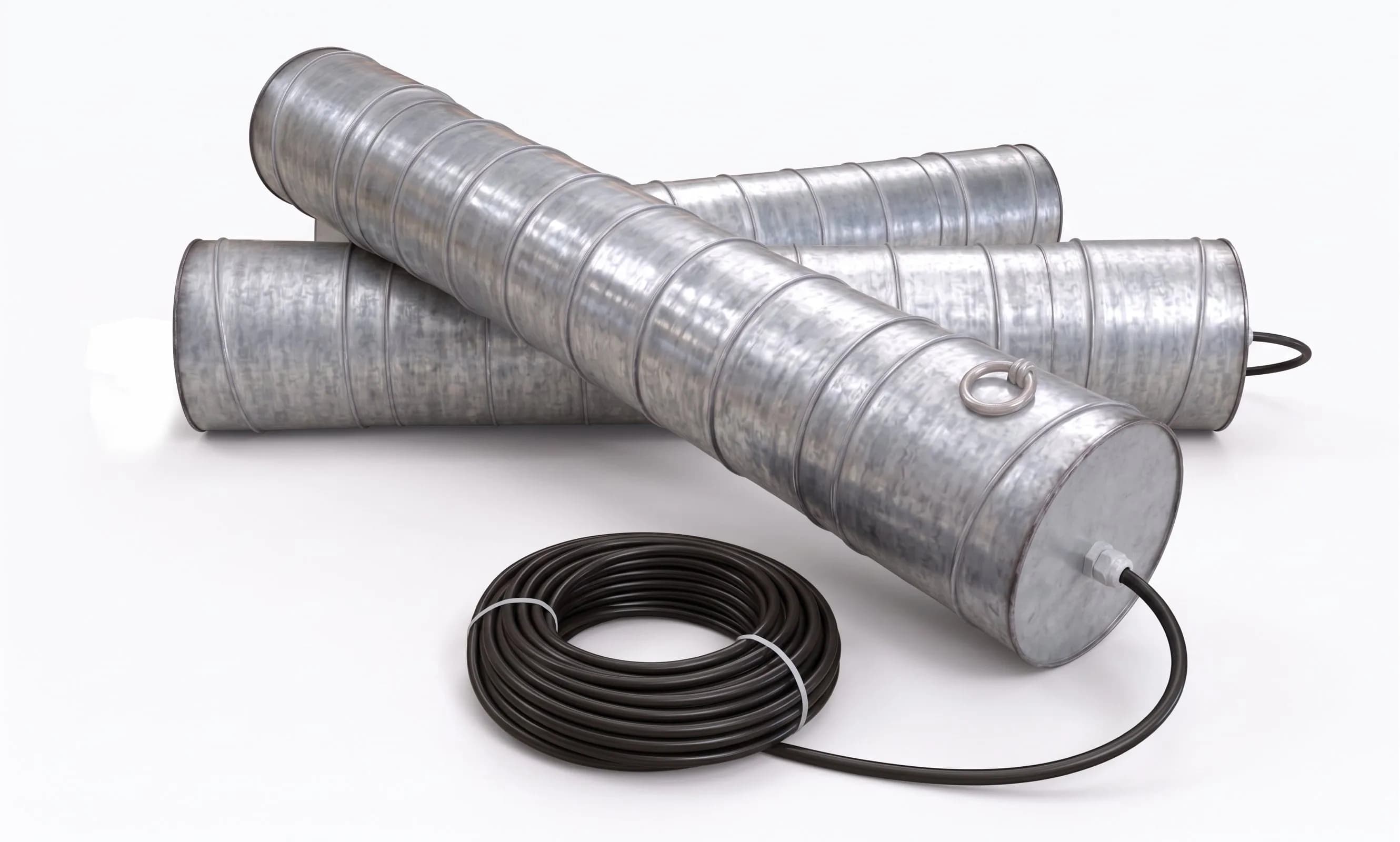
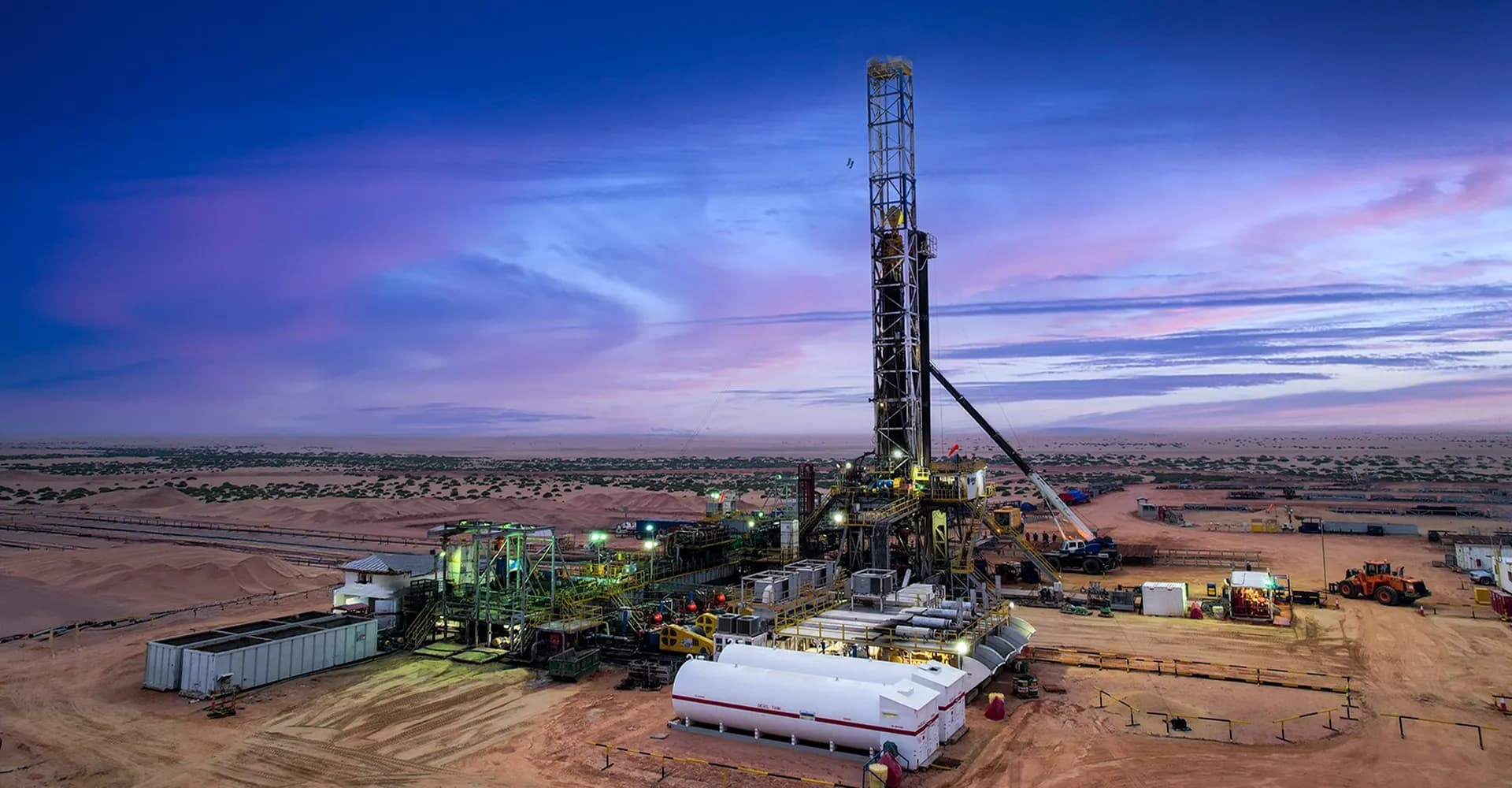
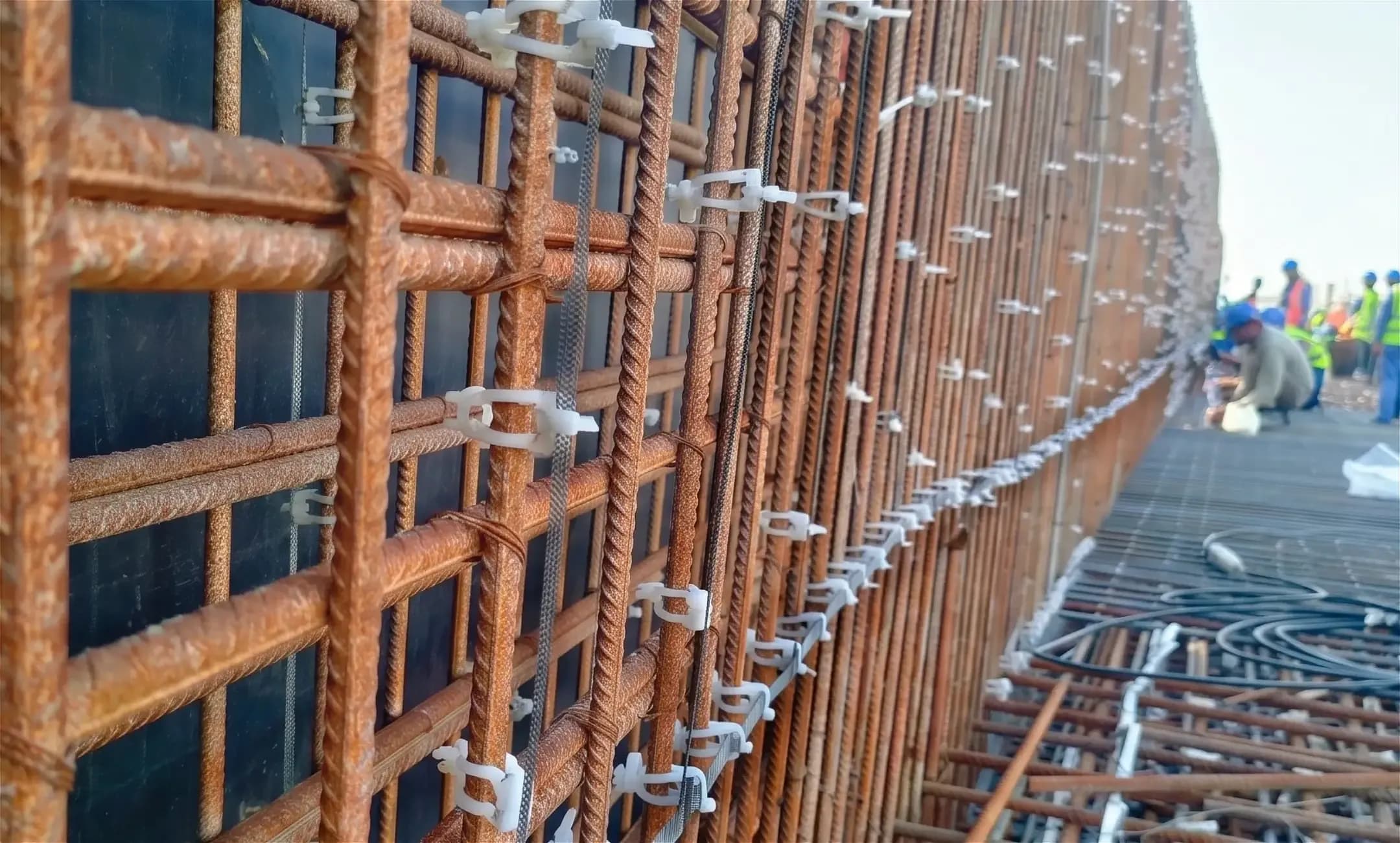
ICCP systems are commonly used for pipelines, storage tank bottoms, offshore structures, marine piling, deep well ground beds and reinforced concrete structures where higher current output or longer design life is required. Their low consumption rates and stable performance can provide reliable protection over long operating periods, with the system output adjusted to maintain the required protection criteria.
Science behind ICCP systems
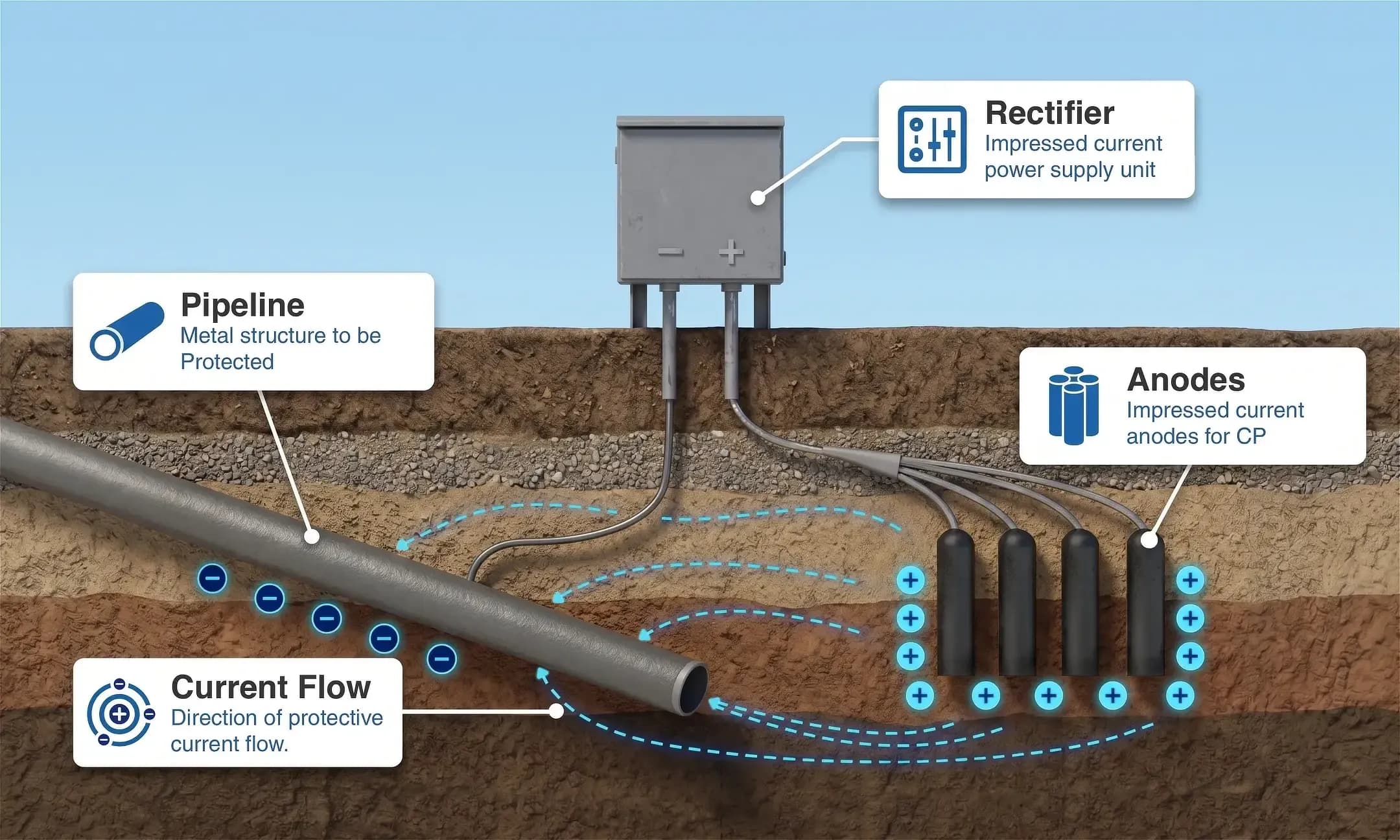
Impressed current Cathodic Protection (ICCP) works on a simple electrochemical principle. An external DC power source supplies electrons to the structure through inert anodes, keeping the metal in a protected, non-corroding state.
DC Power Source
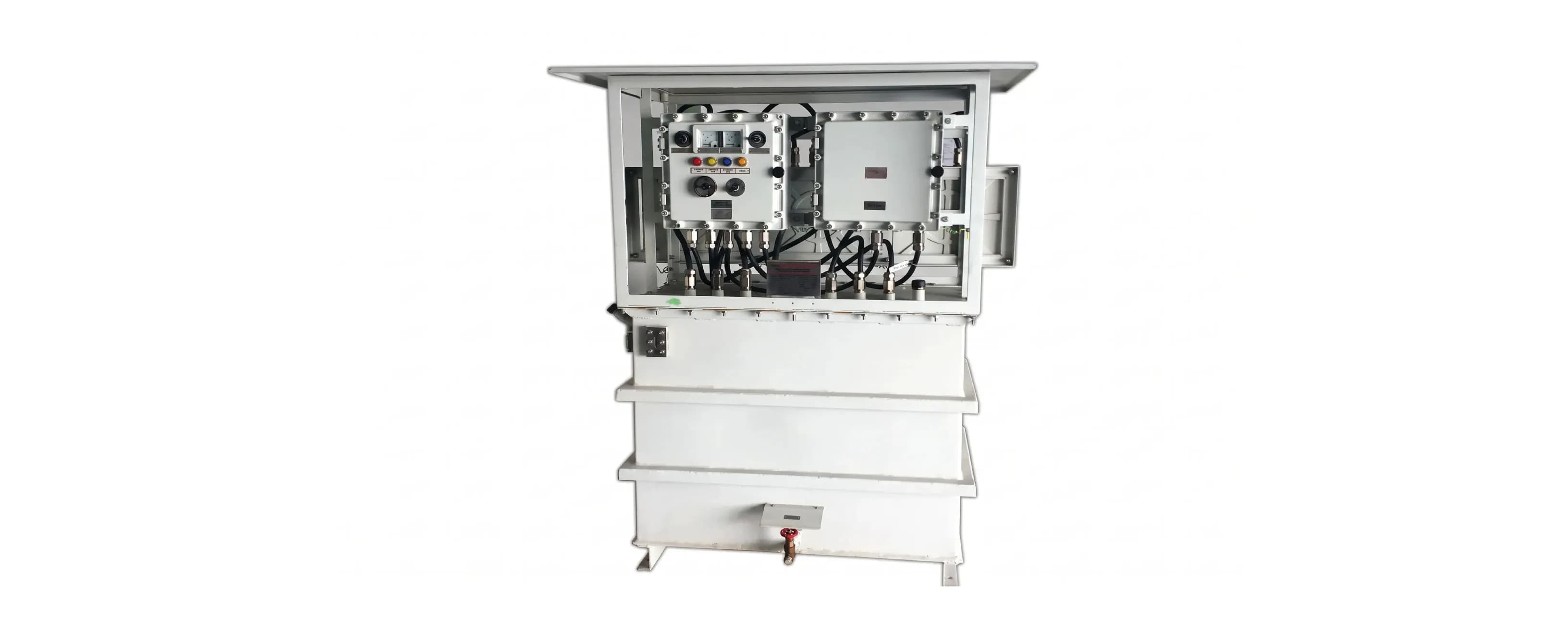
The transformer rectifier converts AC power to DC power and supplies controlled current to the anode.
Current Discharge
The inert anode (typically MMO, HSCI or Titanium) discharges DC current into the surrounding electrolyte.
Electron Flow
Electrons flow from the anode through the electrolyte to the metallic structure.
Corrosion Prevention
The structure receives electrons and becomes the cathode. This stops the metal from losing electrons, thereby preventing corrosion.

Types of Impressed Current Anodes We Provide
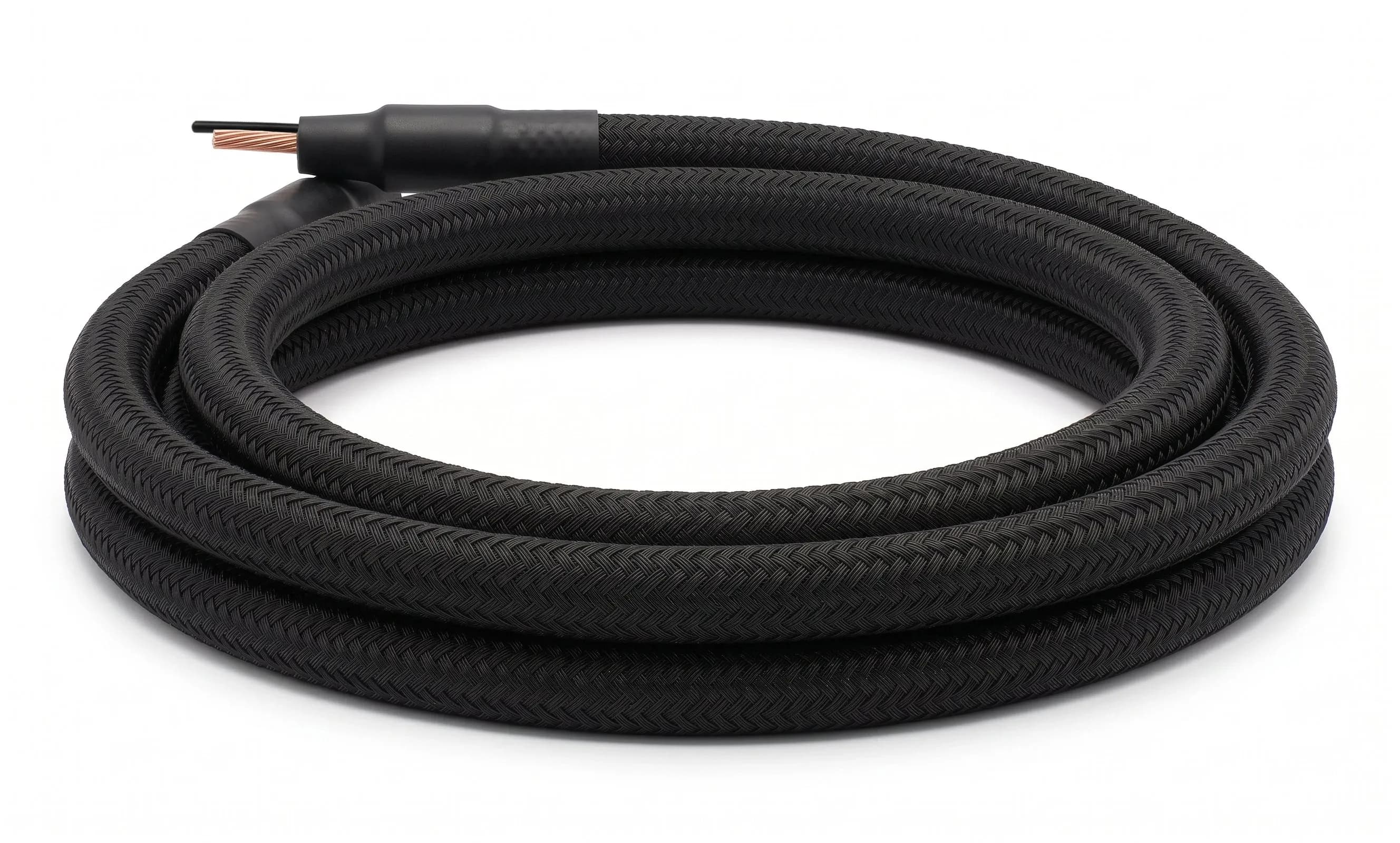
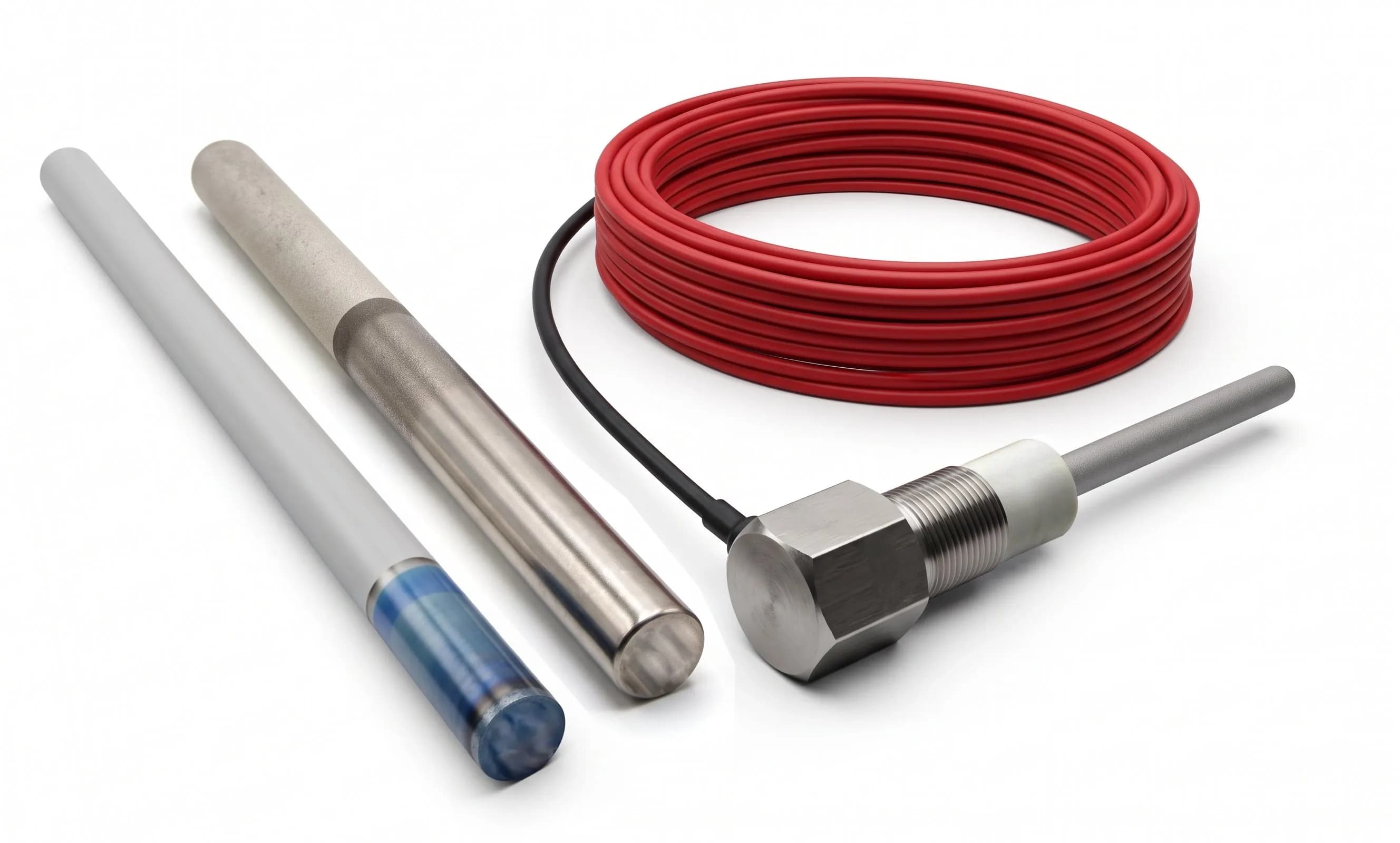
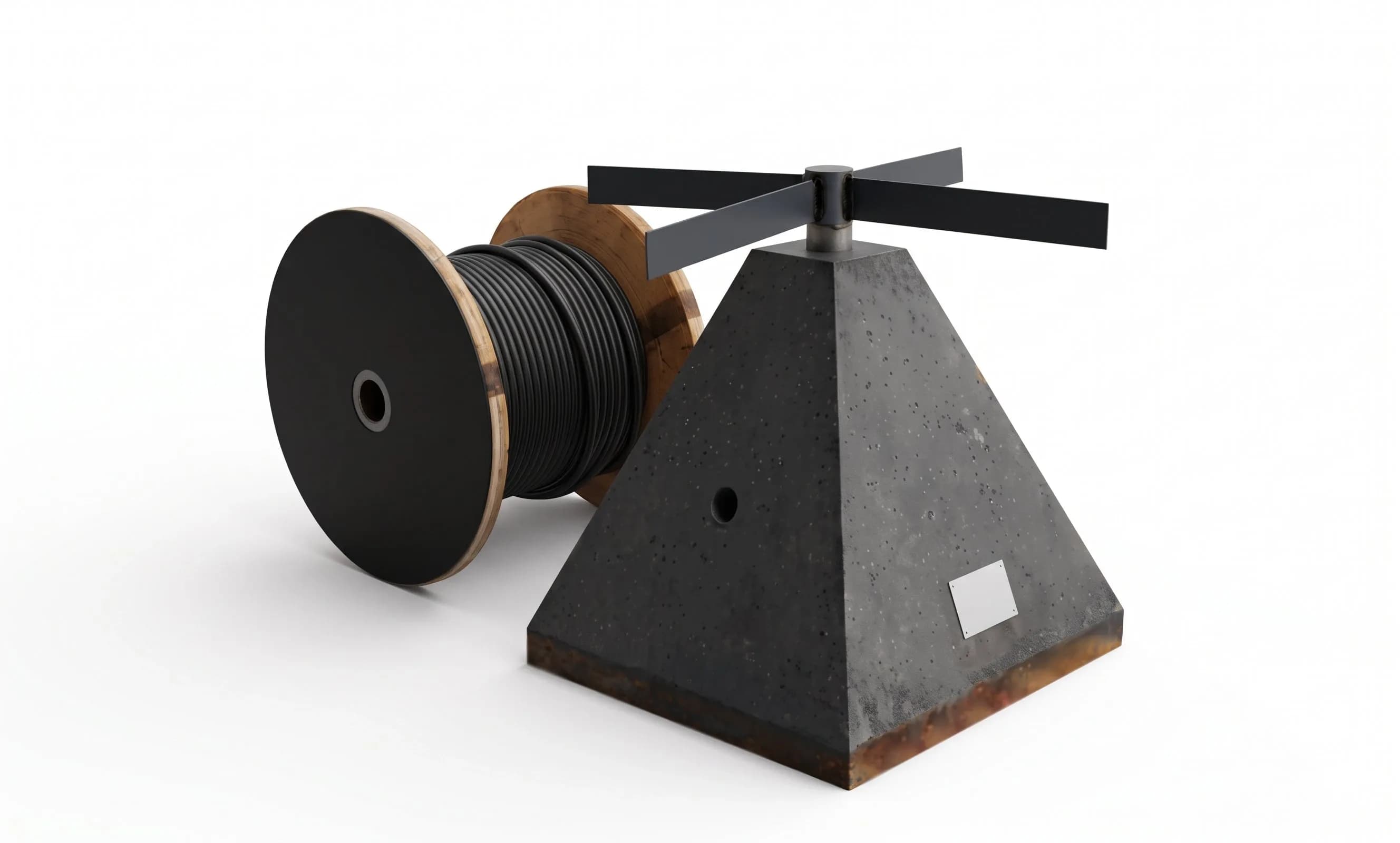
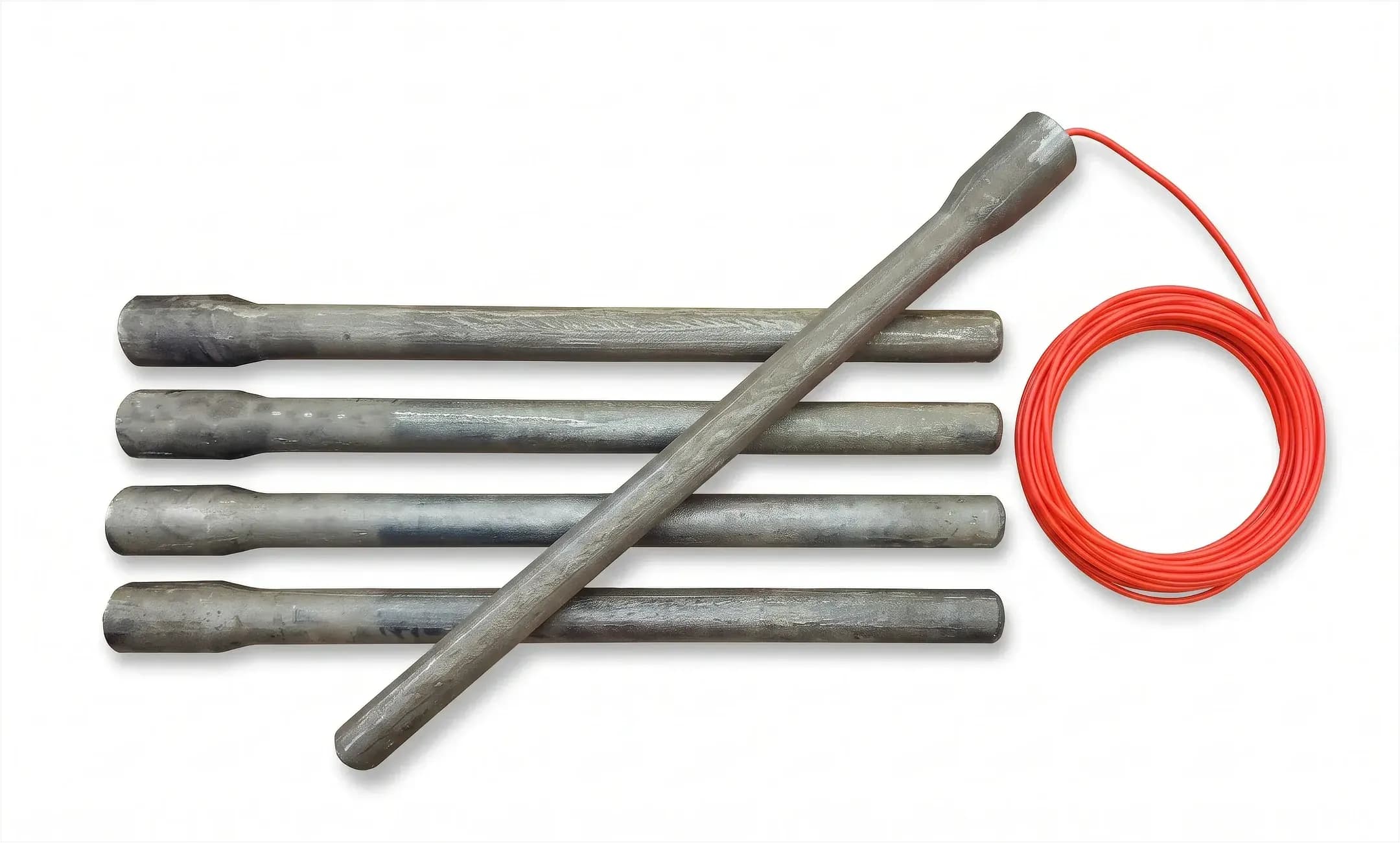
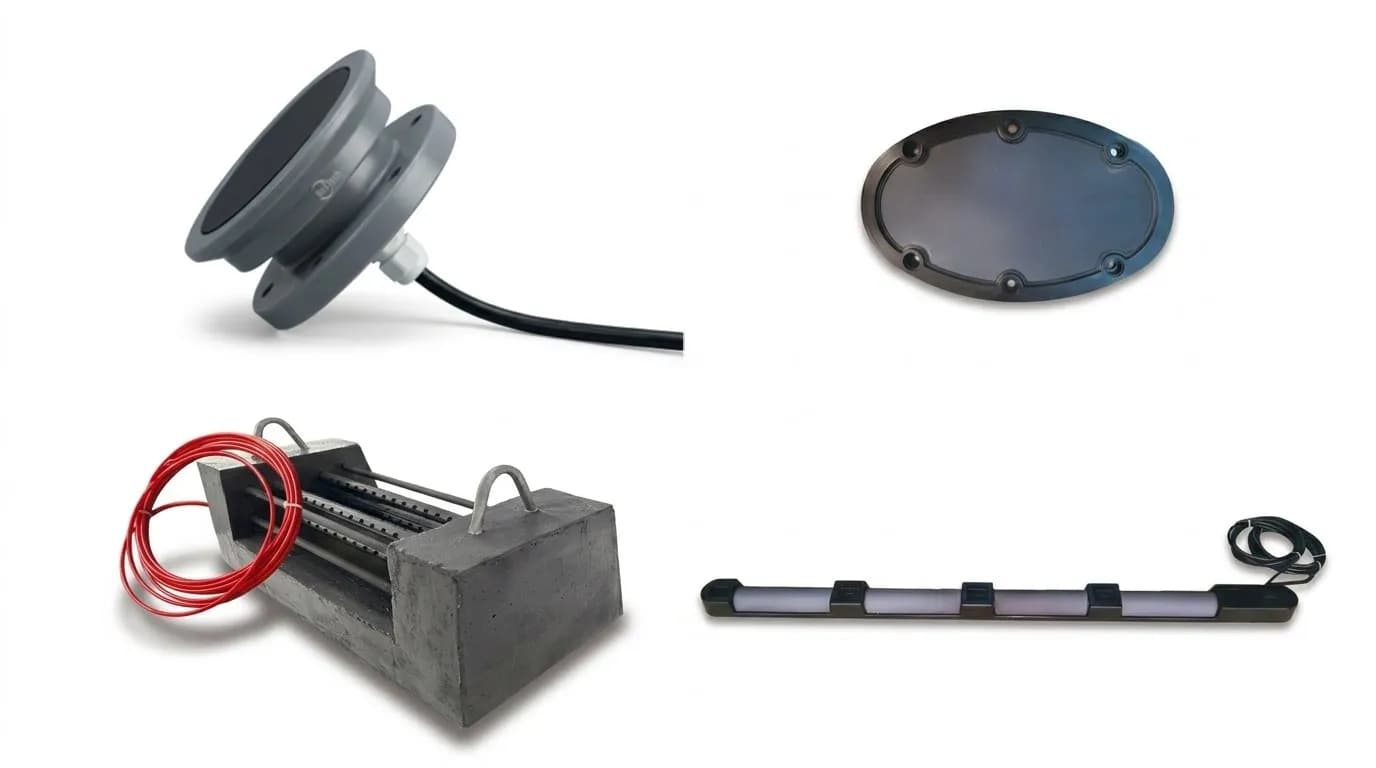
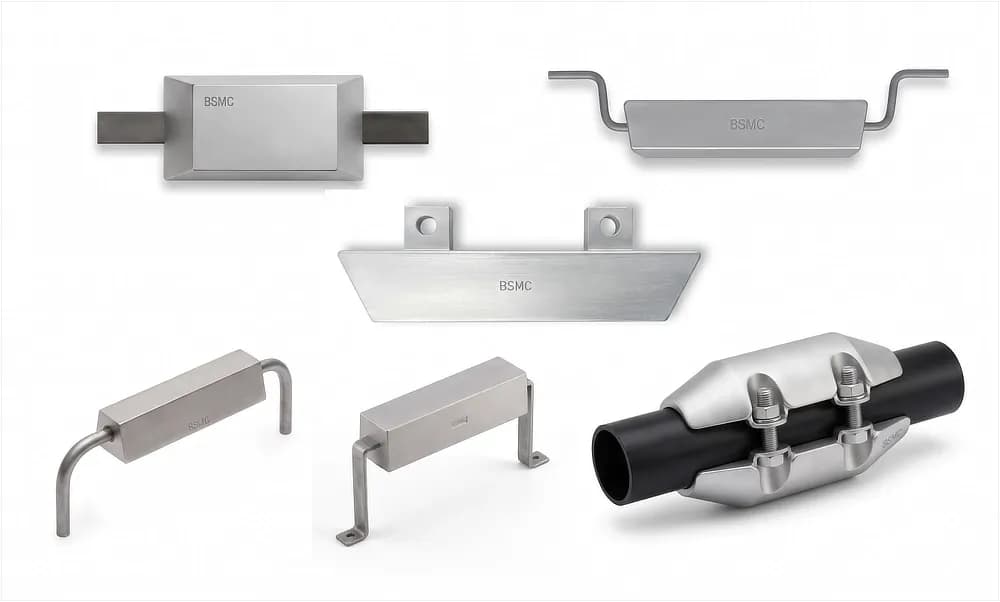
From deep ground beds to marine structures, discover our complete line of ICCP anodes designed to meet the exact current demands and environmental challenges of your specific project.

Your corrosion challenges are our expertise,
Trust the industry leader in Electrochemistry and Asset Integrity
Technical Specifications & Operating Parameters
A comprehensive breakdown of anode material performance, highlighting substrate specifications, wear rates, and expected operational lifespans to support accurate system design.
Anode Material Type | Substrate / Alloy Grade | Coating / Activator | Typical Wear Rate (Seawater / Chloride Brine) | Typical Wear Rate (Freshwater / Soil / O₂ Evolution) | Typical Max Current Density | Primary Environments | Typical Design Life |
|---|---|---|---|---|---|---|---|
MMO Titanium | Titanium Grade 1 / 2 (ASTM B265/B348) | Iridium & Tantalum Oxide (IrO2/Ta2O5) | 0.5 – 1.0 mg/A-year | 1.0 – 4.0 mg/A-year | 50 A/m² (Soil) 600 A/m² (Seawater) | Soil, Seawater, Freshwater, Concrete | 10 – 30+ Years |
Platinized Titanium | Titanium Grade 1 / 2 | Pure Platinum (Electroplated/Clad) | 4.0 – 8.0 mg/A-year | 8.0 – 15.0 mg/A-year | 500 – 1000 A/m² | Seawater, Freshwater (Requires <8V) | 15 – 25 Years |
Platinized Niobium | Niobium Substrate (High Breakdown V) | Pure Platinum (2.5 – 5.0 μm) | 4.0 – 8.0 mg/A-year | 8.0 – 12.0 mg/A-year | 500 – 1000 A/m² | High-Resistivity Soil, Deep Wells | 20 – 30 Years |
High Silicon Iron | Cast Iron (14.5% Si, 4.5% Cr - ASTM A518) | N/A (Solid Metallic Alloy) | 0.3 – 0.5 kg/A-year | 0.1 – 0.3 kg/A-year | 10 – 30 A/m² | Soil, Freshwater, Marine Mud | 15 – 30 Years |
Extruded Graphite | Graphitized Petroleum Coke (>2,600°C) | Wax / Resin Micro-Impregnation | 0.2 – 0.5 kg/A-year | 0.4 – 0.9 kg/A-year | 5 – 10 A/m² | Soil, Freshwater (with Coke Breeze) | 10 – 20 Years |

The Benefits of Using ICCP Anodes

Adjustable Performance
Current output can be easily regulated to meet changing operating conditions and protection requirements.
Ideal for Large Structures
Delivers effective corrosion protection for extensive pipelines, storage tanks, offshore platforms, and other large infrastructure.
Reduced Maintenance
Requires minimal routine maintenance, helping to lower operational costs over the system's lifespan.
Cost-Effective Solution
Reduces repair, replacement, and maintenance expenses in the long run.
Enhanced Asset Reliability
Maintains the structural integrity of metallic assets, ensuring safe and reliable operation.
Remote Monitoring Capability
Can be integrated with monitoring and control systems for real-time performance tracking and diagnostics.
Targeted ICCP System Applications
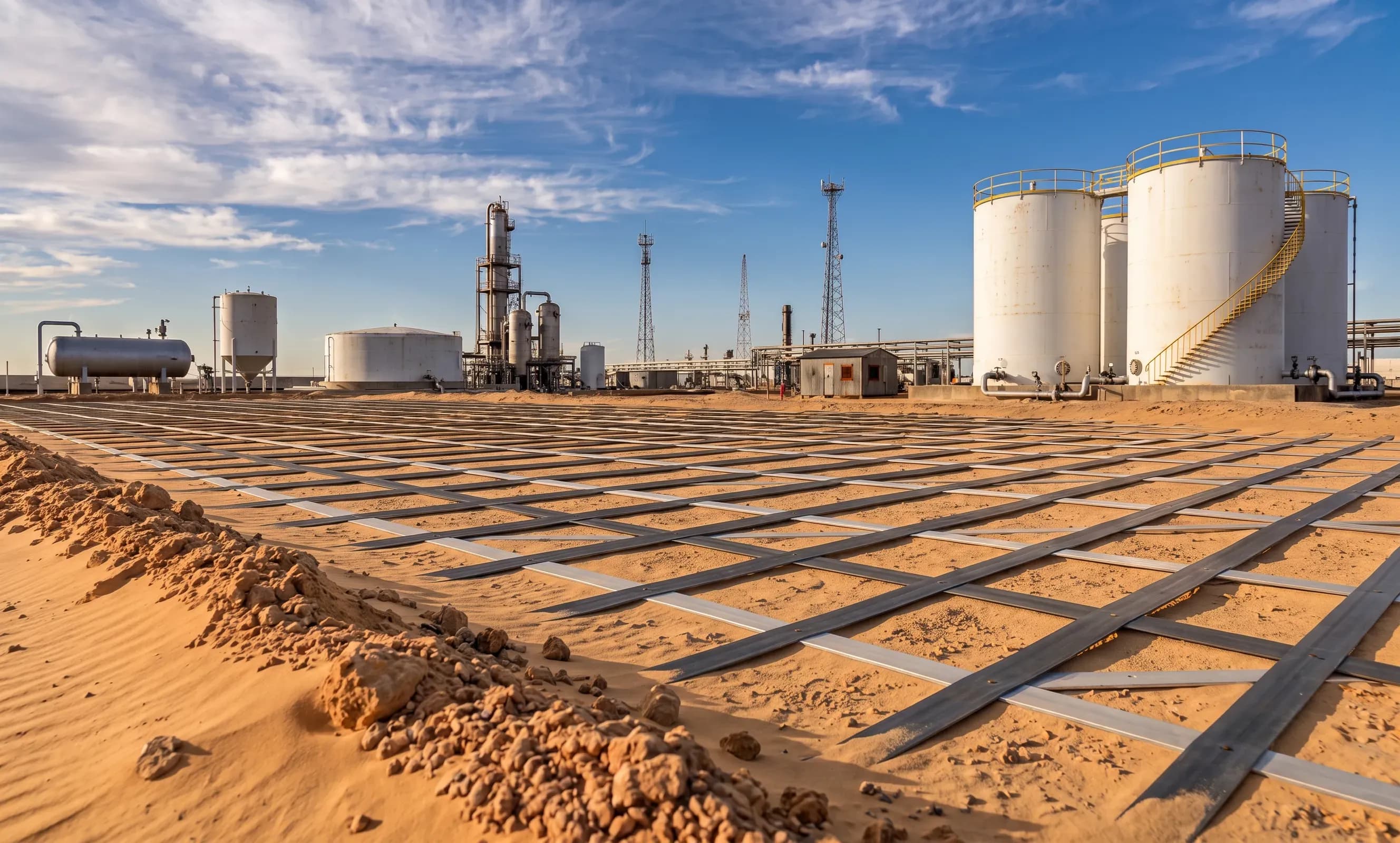
ICCP anodes are available in different materials, configurations and installation arrangements to suit the specific requirements of each application. BSS Technologies selects and supplies suitable anode systems based on factors such as current demand, electrolyte conditions, structure type and installation environment.
Our ICCP solutions cover a wide range of applications, including deep well and shallow ground beds, storage tank bottoms, cross-country pipelines, offshore platforms and monopiles, reinforced concrete structures, power and desalination water intakes, internal vessel and heat exchanger protection, and marine and subsea structures.
Why Choose ICCP Anodes from BSS Tech?
BSS Technologies controls every aspect of ICCP anode assembly and quality testing at our own manufacturing facility. Our AMPP/NACE certified engineers calculate precise current densities, select optimal precious metal oxide formulations, and design custom cable connections, delivering certified anode systems that protect your infrastructure over its entire design life.
In house assembly ensures total cable seal integrity.
Custom MMO coating weights tailored for specific site media.
Fully compliant with NACE, international and client standards.
In house NACE specialists calculate exact ground bed output.
Applications of Impressed Current Anode
Areas

Deep Well Ground Beds
Storage Tank Bottoms
Cross-Country Pipelines
Offshore Platforms & Monopiles
Reinforced Concrete Bridges
Marine Jetties
Power & Desalination Water Intakes
Internal Process Vessels
Heat Exchangers & Condensers
Marine Ship Hulls
Subsea Structures
Refinery & Plant Piping Networks
Offshore Wind Structures